
Overview
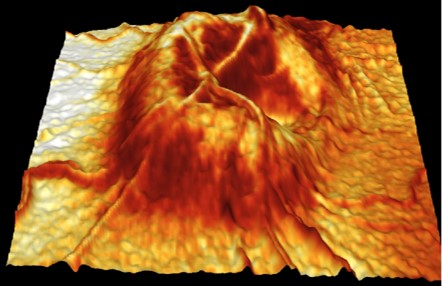
Optic disc elevation is an overlapping feature in two broad categories of conditions – pseudopapilloedema and true optic disc swelling. Accurate diagnosis of these conditions is critical as there is significant difference in urgency and implications on patient management.
The term "pseudopapilloedema" refers to a group of conditions that cause the optic disc to be elevated, however there is no associated oedema of the retinal nerve fibre layer (RNFL).
Papilloedema refers to swelling of the optic nerve head due to increased intracranial pressure, and is associated with oedema of the ganglion cell axons and interstitial fluid accumulation within the nerve head. This may occur secondary to meningitis, intracranial masses, shunt obstruction and subarachnoid haemorrhage.
Optic disc swelling (and associated swelling of the retinal ganglion cells and interstitial oedema) may also occur in the absence of raised intracranial pressure. This type of swelling is more likely to be unilateral, and associated with other systemic and/or ocular signs.
Pseudopapilloedema is often managed with routine review while true optic disc swelling requires urgent medical attention due to its potentially life and sight threatening consequences.
Below are several causes of both true disc swelling and pseudopapilloedema. Further information and the clinical characteristics defining each are available by clicking the links.