
Overview
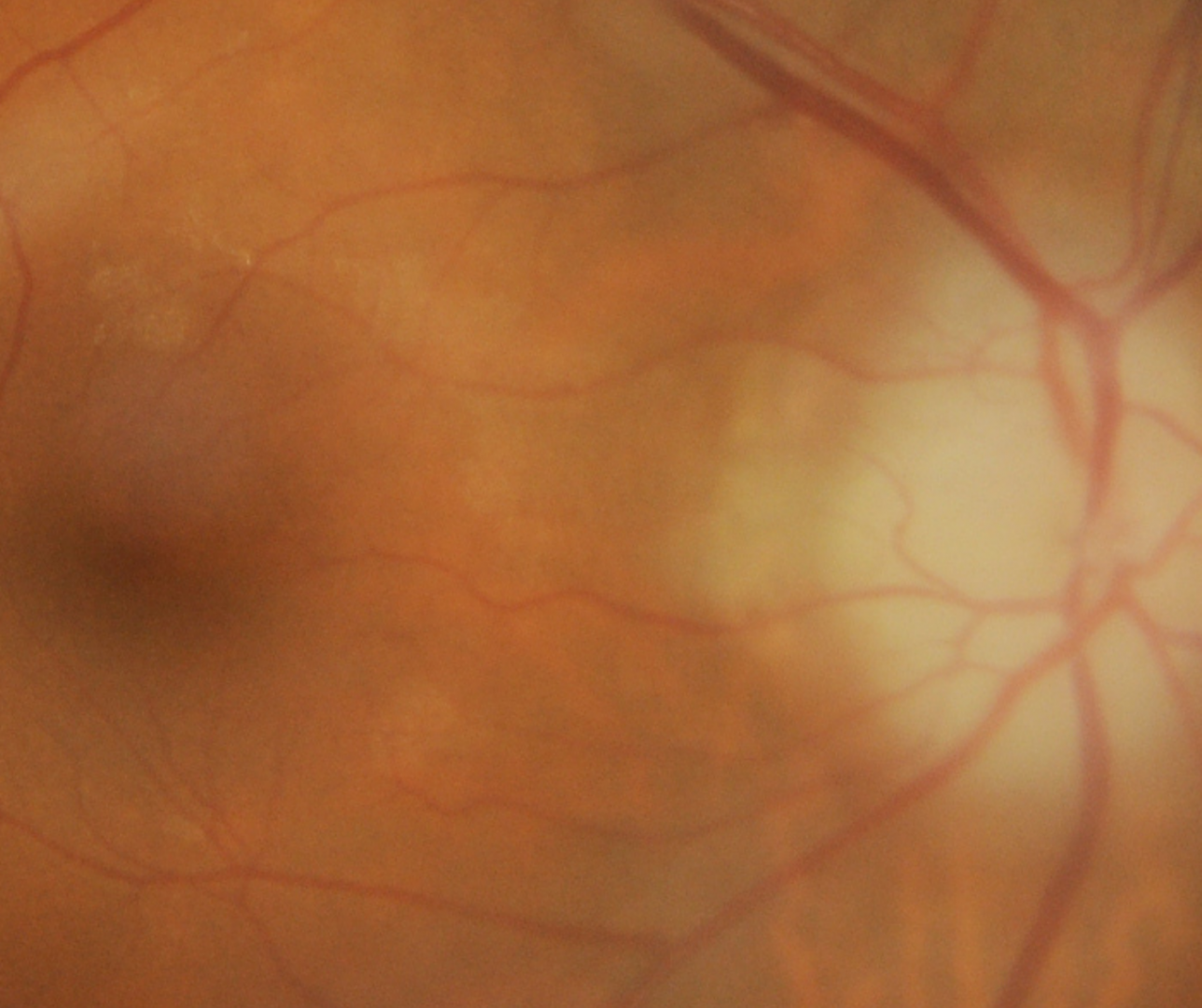
Optic nerve head swelling is caused by an accumulation of axonal organelles and membranous debris as a result of a blockage of axoplasmic flow either at or immediately behind the lamina cribosa. Ischaemia is one mechanism by which the axoplasmic flow may be interrupted.
The sub-topics below cover various ischaemic causes of optic nerve head swelling.
- Optic nerve head swelling in central retinal vein occlusion indicates that the occlusion of retinal venous flow must have caused sufficient ischaemia immediately behind the lamina cribosa, at the site of the occlusion, to block this axoplasmic transport.
- Blood is supplied to the optic disc by the short posterior ciliary arteries. Both arteritic and non-arteritic anterior ischaemic optic neuropathy involve the occlusion of these arteries, leading to ischaemia of the disc, again blocking axoplasmic flow and leading to disc oedema.
- The exact pathogenesis of diabetic papillopathy is still unclear, however it is believed to be related to disruption of the peripapillary vasculature, causing ischaemia and a resultant blockage of axoplasmic flow at the disc.